
The University of Nile inaugurates the new administrative system in the context of digital transformation
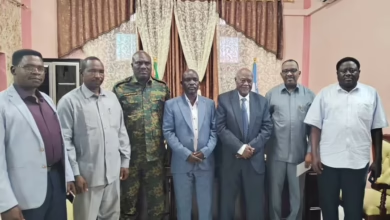
In the context of its incessant efforts to the digital transformation and the development of its administrative and technical infrastructure, the University of Nile inaugurated the new administrative system, during a meeting of ambassador held on Tuesday, April 29, 2025, led by Professor Al -hadi Adam, director of the university, with the participation of the vice-president of the university, the director of information and the leaders, the Vice-President of the University, Managers, supervisor director of financial management, in addition to the check department, and the technical team has developed for the system.
The administrative system has been fully developed by the University of Information and Communications Technology Center, and this achievement is a first step towards the implementation of an integrated system for the resources of Planning Institutions (ERP), as part of the vision of the University of Transformation into a “unanswered university”.
Characteristics of the new administrative system:
Activate administrative and financial operations and facilitate work procedures.
Improved the effectiveness of human and financial resources management.
Improved communication between different units within the university.
Provide specific reports to help make decisions.
Monitoring of monitoring and evaluation processes via a unified central system.
The objectives of digital transformation at the University of Niles:
Increase the quality of administrative and academic services provided to beneficiaries.
Improve work efficiency and save time and resources.
Strengthen digital infrastructure and carry out integration between systems.
Improved transparency and accuracy of institutional performance.
Transform into a paperless working environment to support environmental sustainability.
During the meeting, the President of the University praised the efforts of the technical team, stressing that the development of the system is internally a role model in the investment of national skills and evidence of the university’s capacity to achieve self-technique and sustainable development.
.