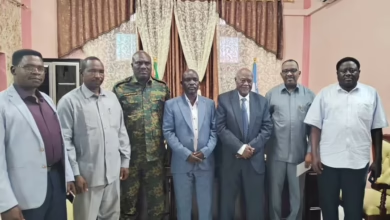

Vacances of the National Plan for Research and Rescue in Sudan. Representative of the Federal Ministry of Health, Dr. Abdel Salam Visions: the ministry is inherent in the national research and rescue plan, and he handed two ambulances to Khartoum International Airport
Sudan port:
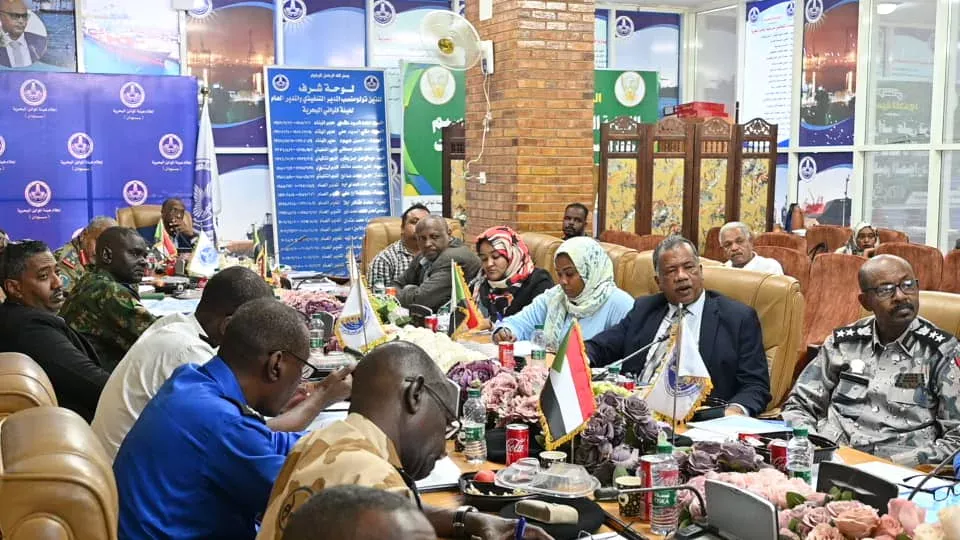
The chairmanship of the Maritime Ports Authority in the city of Port Sudan saw today, Tuesday, the signing of the national research and rescue plan in Sudan by the Authority Civil Aviation and the relevant sectors and sectors, during the first exceptional meeting.
This meeting comes within the framework of state efforts to meet national needs and fulfill international obligations in the fields of research and air rescue, the navy and the land, while the participants discussed the national plan plan and its implementation mechanisms, in addition to internal agreements with local and external partners with countries of cooperation.
The National Committee for Research and Rescue was formed under a decision rendered by the Chairman of the Council for Transitioning Sovereignty, chaired by the Director General Air.
In press statements after the meeting, Dr. Roua Abdel Salam Mohamed, representative of the Federal Ministry of Health, confirmed full support from the Ministry to the Committee, noting that two ambulances were recently delivered to Khartoum International Airport, as part of the response to the needs of its recently opening.
And considered DR I see that the integration of ministries and security and civil authorities within the committee constitutes an “golden opportunity to coordinate emergency care and the efforts of national ambulance”, explaining that two bilateral agreements have been signed between the authority of civil aviation on the one hand, and the Federal Ministry of Health and the Central Ambulance on the other.
This step comes within the framework of strengthening coordination in the field between air response and healthy preparation, and to ensure that there is effective medical support in research and rescue operations, in the context of continuous efforts to increase the efficiency of the national response.
It noted the importance of these agreements in the connection of the components of the health system to the national emergency system, in a way that contributes to the construction of a unified and effective response base, hoping that these efforts will be crowned with permanent peace and stable security in all parts of the country, and added that it was the beginning of a new era, in which the security, health corridors, Entitled: Entitled: Entitled: Entitled: Entitled: Entitled: Entitled: Entitled: Entitled: Entitled: Entitled: Entitled: Entitled: Entitled: Entitled: Entitled: Title: Title: Title: Title: Title: Title: Entitled: Title: Title: Title: Title: Title: Title: Title: Title: Title: Title: Title: Title: Title:
“The security of the citizen first … and an answer that does not know the delay.”

Follow us