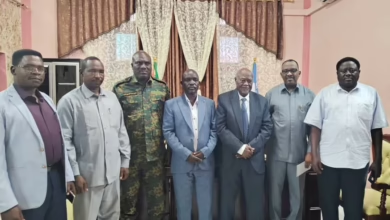

The meeting of the Sudanese Sovereignty Reunion Transitioning Council with the civil servant of the African White House in Geneva has several political implications and dimensions, which can be read from several angles
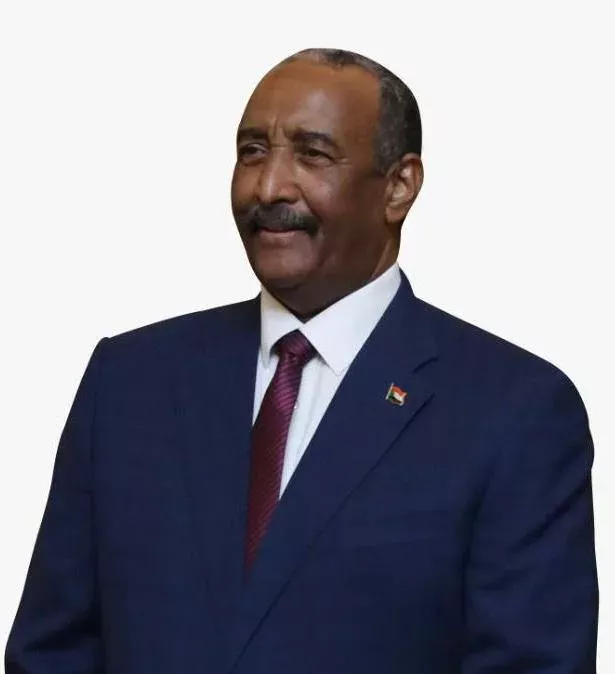
First: political connotations
1. An unofficial communication channel – Apart from Washington and Khartoum: the choice of Geneva suggests the desire of the two parts to hold talks far from direct lights and the pressure of the media, while taking advantage of the neutrality of Switzerland as a safe soil.
2. A reference to an American interest renewed for Sudan: it is enough to allocate the civil servant of the African deadline to a meeting which shows that Sudan is still priority of the White House, although in the context of wider regional crises (the Horn of Africa, the Red Sea).
3. Implicit recognition of the status of the sovereign council: the meeting gives the impression that Washington sees in the council a party which cannot be surmounted in any political or security path.
–
Second: potential objectives
1. On the side of Sudan:
Break diplomatic isolation and show the opening to the great powers.
Obtain political or economic support to reduce internal and external pressures.
Transfer a vision or guarantees related to political transition or war / peace.
2. On the part of the United States:
Test the Sudanese direction of sensitive files: stopping war, engaging in political negotiations, the regional role of Sudan.
Make sure Sudan does not slip towards the influence of competing forces (Russia, China, Iran).
Search for humanitarian and security files such as the arrival of aid and the fight against terrorism in the Sahel region.
–
Third: a possible future vision
1. The gradual reintegration of Sudan into the international system if it expresses an agreed political roadmap.
2. Opening of technical and economic support channels conditioned by concrete stages towards political and security stability.
3. An American role is more active in the Subsanian conflict settlement by putting pressure on the influential regional parties.
4. Use of Sudan as a link in the security arrangements of the Red Sea and the African century to serve the American strategy in the face of a competing influence.