With the honor and care of the Governor of the State of the Red Sea: the Zakat office inaugurates the sacrificial distribution project and the sponsorship of orphans at a cost of 600 million pounds
Sudan port:
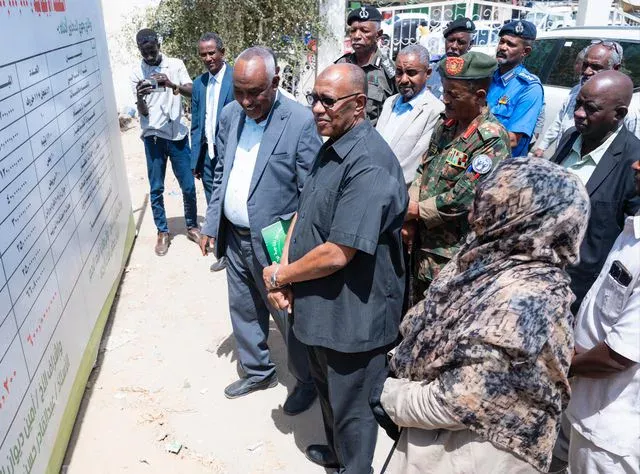
The Zakat office of the State of the Red Sea inaugurated the project to distribute sacrifices and the sponsorship of the orphans, in the Korea district of the Sudan Port, in the presence and in honor of the governor of the State of the Red Sea, Lieutenant Mustafa Mohamed Nour.
In a speech for him during the celebration of the inauguration today, Tuesday, the governor of the state of Al -Bahr, Al -Ahrane, expressed his happiness by participating in this humanitarian project, which aims to distribute the joy of the Eid Al -Adha to the needs in need, where a large number of sacrifices have been bought for 600 million pounds, benefiting from 16,200 poor families, Zakat in social support.
For his part, the secretary general of the Zakat Office of the State of the Red Sea, Abdul Qadir Hassan Abdel Qader, confirmed that the office continues to implement the sacrificial purchasing program and to distribute it to the poor, explaining that the project is located in the eight main axes which include:
Offer sacrifices (44 calves and 17 sheep) to the 21 shelters of Sudan Port, in addition to supporting military offers, students of students, the psychiatric clinic and the Othman Dakna hospital, support orphans financially to ensure their basic needs, support for jihadist advocacy organizations, to provide health establishments and control establishments, the program to support families Events of the portable Sudan by Sudanics by providing nutritional assistance.
The secretary-general said that the refuge centers had received great support from the Zakat office, stressing that the total cost of the project amounted to 600 million pounds, to benefit more than 16,200 families.
He stressed that the Zakat office implements this program each year, with the aim of relieving the suffering of the most needy groups, noting that the project also includes cash support for 300 patients in hospitals like Aidiya, to mitigate the treatment of treatment for them during the AID period.

Follow us